
Why cat bites deserve greater attention as workplace injuries
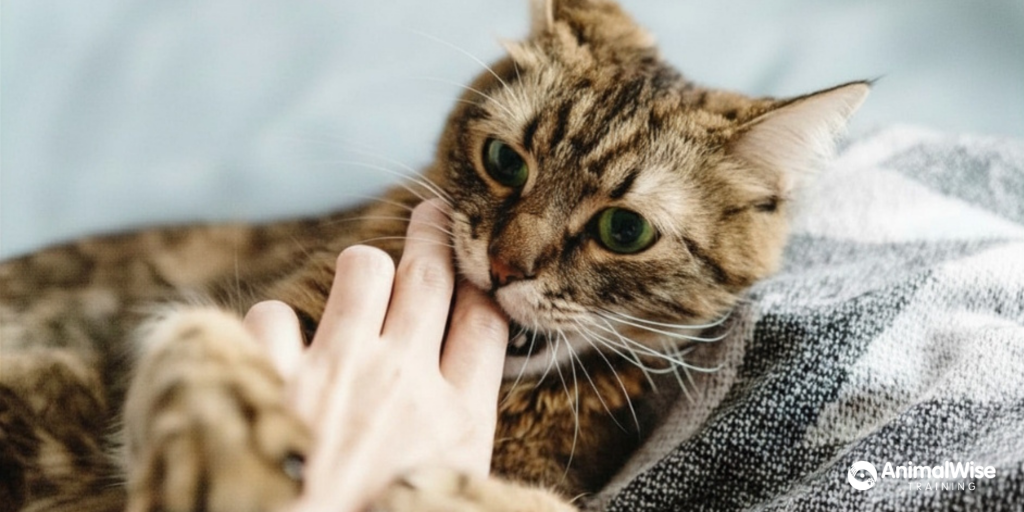
Cat bites are extremely common across animal professions, yet they are often underestimated — particularly when the wound initially appears minor.
This post is the first in a three-part series exploring cat bites within animal work, why these injuries are frequently normalised, and why they deserve far more attention from a workplace safety perspective.
Veterinary teams, shelter staff, rescue organisations, pounds, AMOs and rangers may all encounter cat bites during the course of their work. Although the environments differ, many of the underlying challenges are surprisingly similar: stressed animals, unpredictable behaviour, time pressure, repeated exposure to injury, and workplace cultures where bites can gradually become accepted as routine.
The familiarity of cat bites can sometimes create a false sense of reassurance.
Yet frequent exposure does not necessarily reduce risk.
Cat bites are not simply a clinical issue — they are also a workplace safety issue. The way these injuries are perceived within organisations can influence reporting, treatment decisions, follow-up, and ultimately outcomes.
Research examining workplace injuries within the Australian veterinary sector found that animal bites were among the most commonly reported injuries, with 61.6% of veterinary nurses reporting at least one animal bite within the previous 12 months. Cats were identified as the most common biting species for veterinary nurses and veterinary students (Johnson & Fritschi, 2024).
When injuries become normalised
One of the difficulties within animal work is that repeated exposure to bites can gradually shift perceptions around risk.
In many professions, a workplace injury would immediately prompt reporting, assessment and follow-up. Within animal-related industries however, bites may instead become viewed as an accepted occupational hazard — particularly when the injury initially appears minor or the worker is trying to continue through a busy shift.
This pattern may occur across a range of environments.
Veterinary teams frequently work with cats experiencing pain, illness, fear or procedural stress within unfamiliar clinical settings. Shelter and rescue staff may be handling cats affected by confinement stress, transport, rehoming transitions or chronic over-arousal. AMOs and rangers may encounter terrified stray cats where previous handling experiences and behavioural history are completely unknown.
Despite the differences between these industries, similar themes often emerge:
- bites occurring during routine tasks
- injuries initially appearing small or manageable
- pressure to continue working
- delayed reporting or medical review
- underestimation of potential consequences
Many bites occur during situations where cats are already overwhelmed, fearful or highly aroused. In busy operational environments, there can also be pressure to proceed quickly with handling, transport or procedures despite escalating behavioural signs.
Over time, this can contribute to injuries becoming normalised rather than recognised as important workplace incidents.
The “part of the job” mindset
One of the strongest themes emerging from occupational literature is the tendency for cat bites to be underestimated by the very people most frequently exposed to them.
Johnson and Fritschi (2024) noted that:
“Cat bites can be an extremely serious injury and are often trivialised by the worker and medical staff treating them…”
This observation will likely resonate with many people working in animal professions.
Historically, it has not been unheard of for cat bite injuries to initially be underestimated during medical assessment due to the deceptively small appearance of the wounds, including situations where prophylactic antibiotics may not initially have been recommended despite the potential for deeper infection.
In addition, comments such as:
- “It’s only a cat bite.”
- “I’ll just finish the shift.”
- “It doesn’t look that bad.”
can unintentionally reinforce a workplace culture where injuries are minimised.
In veterinary settings, this may look like a nurse or veterinarian sustaining a bite during handling or restraint and continuing appointments for the remainder of the day before medical review.
Within shelter and animal management environments, a ranger or animal attendant bitten while transferring a cat from one cage to another, may push on with their next task because the injury appears small, superficial or manageable at the time.
The difficulty is that the appearance of a cat bite does not necessarily reflect the level of risk.
From a workplace safety perspective, this cultural normalisation matters.
It may influence whether injuries are reported, the degree of first aid intervention, whether medical advice is sought promptly, and how seriously workers interpret early signs that an injury may be worsening.
Why delays matter
Delayed treatment has repeatedly been associated with poorer outcomes following cat bites.
Although the detailed medical aspects will be explored further in later posts within this series, one important message remains consistent throughout the literature:
a “wait and see” approach may increase risk.
One challenge is that cat bite injuries often appear deceptively minor initially. Small puncture wounds may not immediately create concern, particularly when workers are balancing competing priorities, attempting to complete a shift, or hoping the injury will settle on its own.
However, delayed recognition, delayed first aid response and delayed medical review may contribute to more serious complications.
This does not mean every cat bite will become severe. However, in my experience working within animal care environments, serious complications including hospitalisation occur far more frequently than many people expect.
Early recognition, timely wound management and reporting, and appropriate medical review should be considered important components of workplace safety within animal professions.
Moving beyond normalisation
Cat bites are common across veterinary, shelter, rescue and animal management environments — but their frequency should not lead to complacency.
These injuries should not automatically be viewed as minor because they occur often.
They should not be dismissed because the wound closes quickly or appears small at the surface.
And they should not become accepted simply because they occur within animal work.
Cat bites are occupational injuries deserving recognition, reporting, appropriate assessment and prevention-focused discussion within animal-related industries.
In the next post in this series, we will look more closely at why cat bites can sometimes become far more serious than they initially appear, including the particular risks associated with puncture wounds, hand injuries and delayed treatment.
Sources
Dendle, C. and Looke, D. (2008) Animal bites: An update for management with a focus on infections. Emergency Medicine Australasia, 20(6), pp. 458–467.
Johnson, L. and Fritschi, L. (2024) Frequency of workplace incidents and injuries in veterinarians, veterinary nurses and veterinary students and measures to control these. Australian Veterinary Journal, 102(9), pp. 431–439.
Kheiran, A. et al. (2019) Cat bite: an injury not to underestimate. Journal of Plastic Surgery and Hand Surgery, 53(6), pp. 341–346.